

Essential South Korea: A 9-Day Seoul, Gyeongju & Busan Itinerary
A balanced first-time Korea route from Seoul’s palaces and neighbourhoods to Gyeongju’s Silla heritage and Busan’s markets, temples and coast.
South Korea’s high-speed rail makes it tempting to keep adding stops. This route does the opposite. Nine days are divided between three places that reveal different parts of the country: Seoul for royal history and contemporary city life, Gyeongju for the landscape of the Silla capital, and Busan for markets, harbour neighbourhoods and the sea.
Is this route right for you?
Choose this itinerary for a first Korea journey with a balanced mix of history, food and urban energy. It suits travellers who prefer trains to driving and want to change hotels only twice. Add Jeju only when you have at least three or four extra days; compressing the island into this route weakens every stop.
At a glance
- Duration: 9 days / 8 nights
- Route: Seoul (4 nights) → Gyeongju (2 nights) → Busan (2 nights)
- Transport: subway and walking in Seoul; intercity rail south; local buses or taxis in Gyeongju and Busan
- Best seasons: spring and autumn for comfortable city days; winter for fewer crowds and clear air
Days 1–4 — Seoul
Day 1: Arrive and stay local
Choose a light first afternoon near your hotel. Walk a market or neighbourhood, eat early and protect the following morning from unnecessary jet-lag plans.
Keep the first day within one subway district. Buy or load a transport card, confirm the route back to the hotel and choose a familiar market rather than a cross-city attraction. If the flight arrives after 4pm, dinner and a short riverside or neighbourhood walk are enough.


Day 2: Palaces and old Seoul
Begin around Gyeongbokgung, then connect one palace area with the lanes of Bukchon, Insadong or Ikseon-dong. Do not schedule every palace. One major complex, one neighbourhood and a market create a more readable day.
Arrive at Gyeongbokgung near opening time, then walk south or east instead of repeatedly entering the subway. A palace, the National Folk Museum area and one hanok neighbourhood fill the morning. Reserve hanbok only if wearing it matters to you; it is not required for admission or photography.

_at_Gyeongbokgung_Palace,_Seoul.jpg)


Day 3: Contemporary Seoul
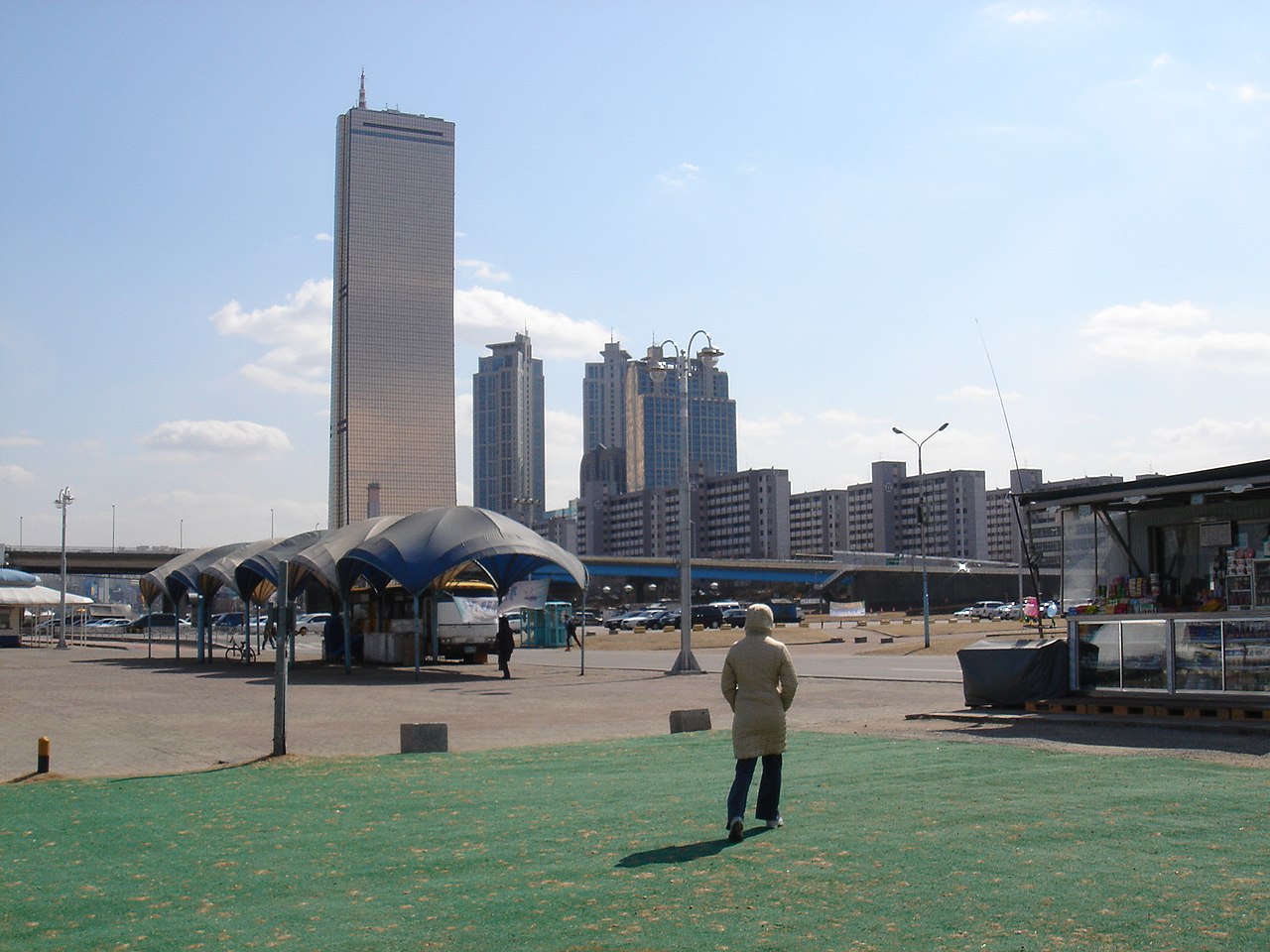
Cross into a modern district according to your interests: design and shopping, riverside neighbourhoods, galleries or an evening south of the Han. Group stops geographically because Seoul’s size, not the subway itself, is what exhausts first-time visitors.
Choose either the design-and-shopping axis around Dongdaemun and Seongsu or the south-bank districts around Gangnam. Add the Han River near sunset, when the paths cool and the skyline begins to light. Pre-book only a viewpoint or performance with a fixed entry time.


Day 4: Mountain edge or day trip
Choose a city-wall walk, a manageable Bukhansan route or a dedicated excursion. Keep an indoor museum alternative if weather closes the view. Return for a final Seoul dinner rather than travelling south late at night.
For Bukhansan, check the trail grade and last transport before leaving; a city-wall section is the safer alternative in heat, ice or low cloud. Carry water and a light layer even when the city is warm. Keep the evening near Jongno so packing for the rail transfer stays simple.


Days 5–6 — Gyeongju
Day 5: Rail south and the royal tombs
Travel to Gyeongju, check in and explore Daereungwon, Cheomseongdae, Gyochon and Woljeonggyo on foot. Stay after dark for Donggung Palace and Wolji Pond, when the heritage zone becomes calmer and more atmospheric.
Book a morning KTX to Singyeongju and allow time for the station transfer into town. Leave luggage before entering the compact heritage district. The royal tombs, Cheomseongdae and Woljeonggyo form a natural walking sequence; save Donggung and Wolji for blue hour and the first hour after dark.


.jpg)
Day 6: Bulguksa and Seokguram
Give the mountain temples their own half day. Return to the centre for the national museum or a slow bicycle loop. The detailed Gyeongju guide explains the pacing and base choices.
Take a direct bus or taxi to Bulguksa early, then continue to Seokguram only if visibility and mobility are suitable. The mountain sites take longer than their map distance suggests. Back in town, use the museum as the weather-proof choice and the tomb district as the slower outdoor choice.


Days 7–9 — Busan
Day 7: Harbour Busan
Move to Busan and begin around Nampo, Jagalchi and the harbour side of the city. Pair the markets with one hillside neighbourhood rather than crossing to Haeundae on the same afternoon.
Travel to Busan after breakfast and leave bags before sightseeing. Nampo, Jagalchi and the harbour markets belong in one cluster. Add Gamcheon only if you still have energy for slopes and steps; otherwise keep the late afternoon around Yeongdo or the waterfront and finish with dinner nearby.


Day 8: East coast and evening water
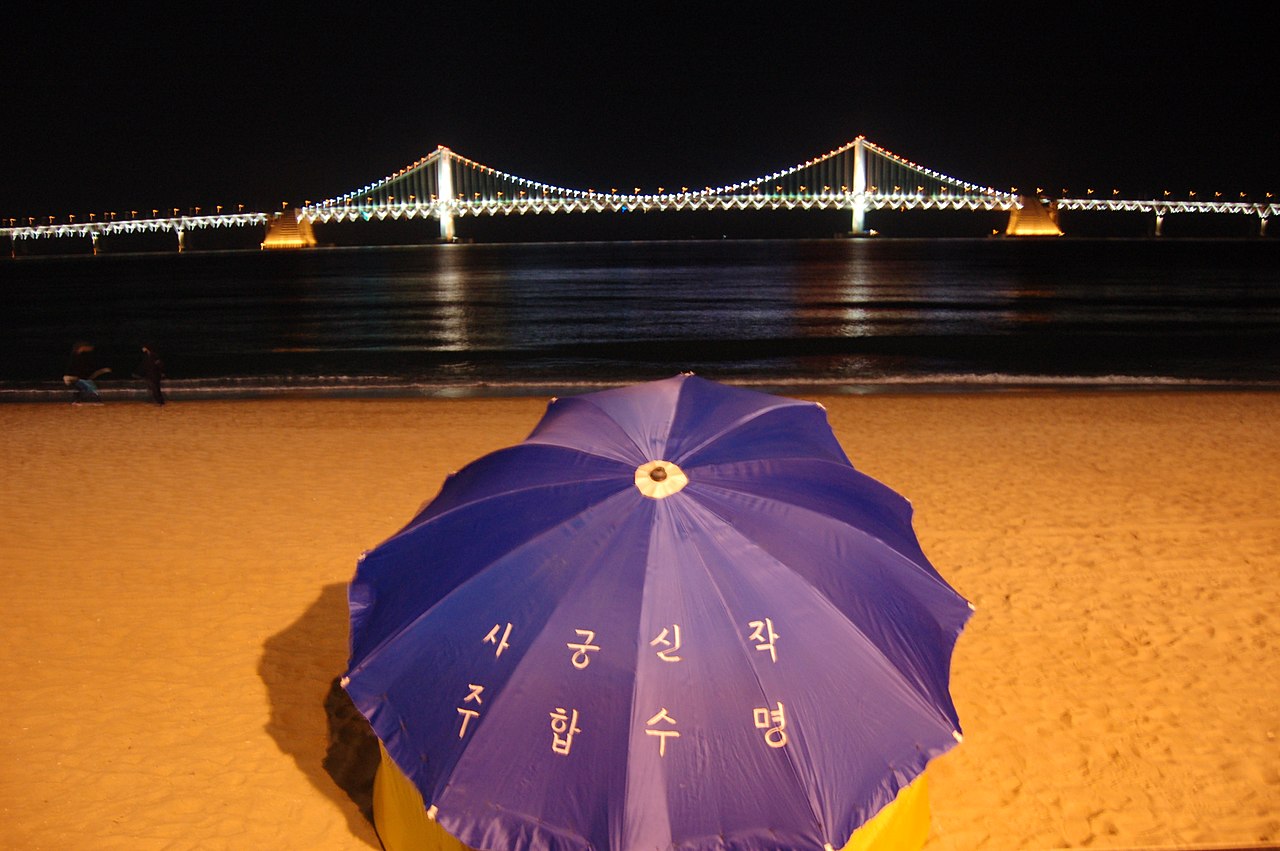
Use the eastern half of Busan for Haedong Yonggungsa, Haeundae or a coastal walk, then finish around Gwangalli after dark. Busan’s length makes geographic grouping essential.
Start at Haedong Yonggungsa before coach groups, then move west through the eastern coast rather than doubling back. Choose one coastal walk according to weather and mobility. Haeundae works for the afternoon; Gwangalli is stronger after sunset when the bridge lights define the bay.



Day 9: Departure
Keep the final morning near your base. Continue from Busan’s airport or rail station, allowing for the city transfer before the intercity journey.
Protect at least two hours for the journey from your hotel to the airport or intercity station. If departure is late, use a breakfast market or short beach walk close to your base. Store luggage formally and avoid a final attraction that depends on a long bus connection.


Where to stay
- Seoul: Jongno for history, Myeongdong for convenience or Hongdae for younger evenings
- Gyeongju: the central heritage district for walking and food
- Busan: Seomyeon for transport, Nampo for harbour atmosphere or Haeundae for the east coast
What to book first
Reserve accommodation, any high-demand Seoul experience and intercity seats for busy holiday periods. Leave local meals and ordinary city transport flexible. Before paying for a transport product, confirm that it serves this exact route rather than buying it because it is marketed as a pass.
Turn this route into booked travel.
Secure the decisions that control the route first. Add flexible experiences only after the dates, city order and major transfers are settled.
Choose a date to see route-specific booking priorities and suggested deadlines.
Your booking order
- Choose a start dateWe will calculate what needs attention first.
- 01Book first
Fix the dates, route direction and scarce stays before adding flexible details.
- 02Book 30 days before
Secure intercity transport and timed highlights as their sales windows open.
- 03Book 72 hours before
Reconfirm transport, weather, addresses and the first arrival transfer.
- 04Arrange on arrival
Activate local payment and transport tools, then keep flexible choices local.
Flights
Protect the international arrival and departure before fixing the rest.
Choose dates for timing
Compare on Trip.comHotels
Book the right neighbourhoods and scarce one-night stays around the route.
Choose dates for timing
Find stays in SeoulTransport
Intercity tickets and difficult transfers arranged around the route.
Choose dates for timing
Request helpExperiences
Timed highlights and local experiences worth protecting in advance.
Choose dates for timing
Explore on Trip.comPrivate planning
Dates, pace, bookings and contingencies shaped into one workable trip.
Best before major bookings
Talk to a plannerBefore you move
Practical setup for South Korea
The small systems that make the next transfer work: payment, transport, maps, luggage and live conditions.Local transportUse a T-money transport card
Top up one card for local buses and subways instead of buying a separate ticket for every journey.
Open official serviceIntercity busesCheck the exact terminal
Express and intercity buses use different booking systems and may leave from different terminals in the same city.
Open official serviceMaps & appsPrepare local navigation
Keep a Korea-ready map app and Korean-format addresses available before leaving the airport or station.
Open official serviceRail bookingCompare intercity trains
Use the route and date to compare the intercity seats that determine the order of the trip.
Compare trains on Trip.com