

Mountains To Jeju: A 9-Day Korea Nature Itinerary
A weather-aware Korea nature route combining Seoul’s mountain edge, Seoraksan and the east coast with four days around volcanic Jeju Island.
This route connects three very different landscapes: Seoul’s mountain-framed basin, the granite peaks and east coast of Gangwon, and Jeju’s volcanic island terrain. It is intentionally not seamless. The transfer back toward a Jeju flight takes time, so nine days is the minimum comfortable version.
Is this route right for you?
Choose it when landscape and walking matter more than collecting cities. You need weather flexibility, suitable footwear and a willingness to adjust mountain or ferry plans. If this is your first Korea trip and urban history matters equally, use the Essential Korea route instead.
At a glance
- Duration: 9 days / 8 nights
- Route: Seoul (2 nights) → Sokcho and Seoraksan (3 nights) → Jeju (3 nights)
- Transport: city transit, intercity bus, flight and a Jeju car or driver
- Best seasons: late spring and autumn; winter requires mountain-specific planning
Days 1–2 — Seoul’s mountain edge
Day 1: Arrive and recover
Stay close to your base, walk a stream, park or neighbourhood and prepare for the active days ahead. Do not use arrival day for a major hike.
Use arrival day to test footwear, buy trail snacks and confirm the next day’s forecast. A stream or park walk reveals how Seoul sits between ridges without committing to a climb. Keep dinner and sleep early; mountain days are safer and more enjoyable when the morning begins before heat and crowds.


Day 2: City wall or Bukhansan
Choose a city-wall section for a lower-commitment walk, or a Bukhansan route appropriate to the forecast and your experience. Keep a museum or palace alternative for rain, heat or poor visibility.
Choose the city wall for a flexible half day or Bukhansan for a true hike. Download the route before leaving and note the final descent, not only the summit. In rain, high heat, snow or poor visibility, replace the mountain with a palace garden and an indoor museum without treating the day as lost.


Days 3–5 — Gangwon and Seoraksan
Day 3: Travel to Sokcho
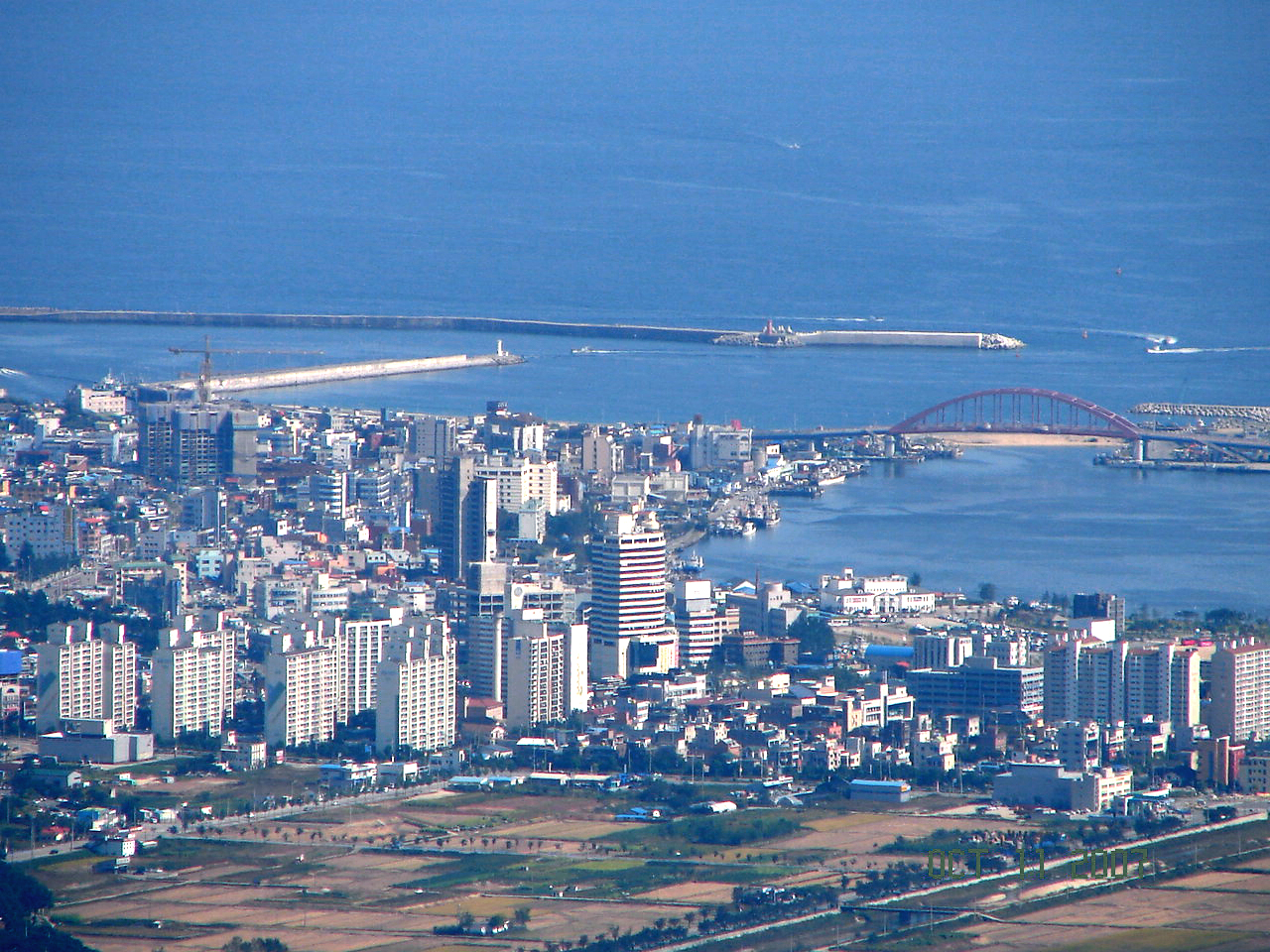
Move east, check in and use the afternoon for Sokcho’s market, lake or waterfront. An early evening keeps the next morning available for the national park.
Take an early express bus to Sokcho, store luggage and keep the first afternoon flat. Yeongnangho Lake, the harbour or the waterfront provide movement without tiring the legs. Buy water and breakfast supplies before evening because the national-park area has fewer early options than central Sokcho.


Day 4: Seoraksan
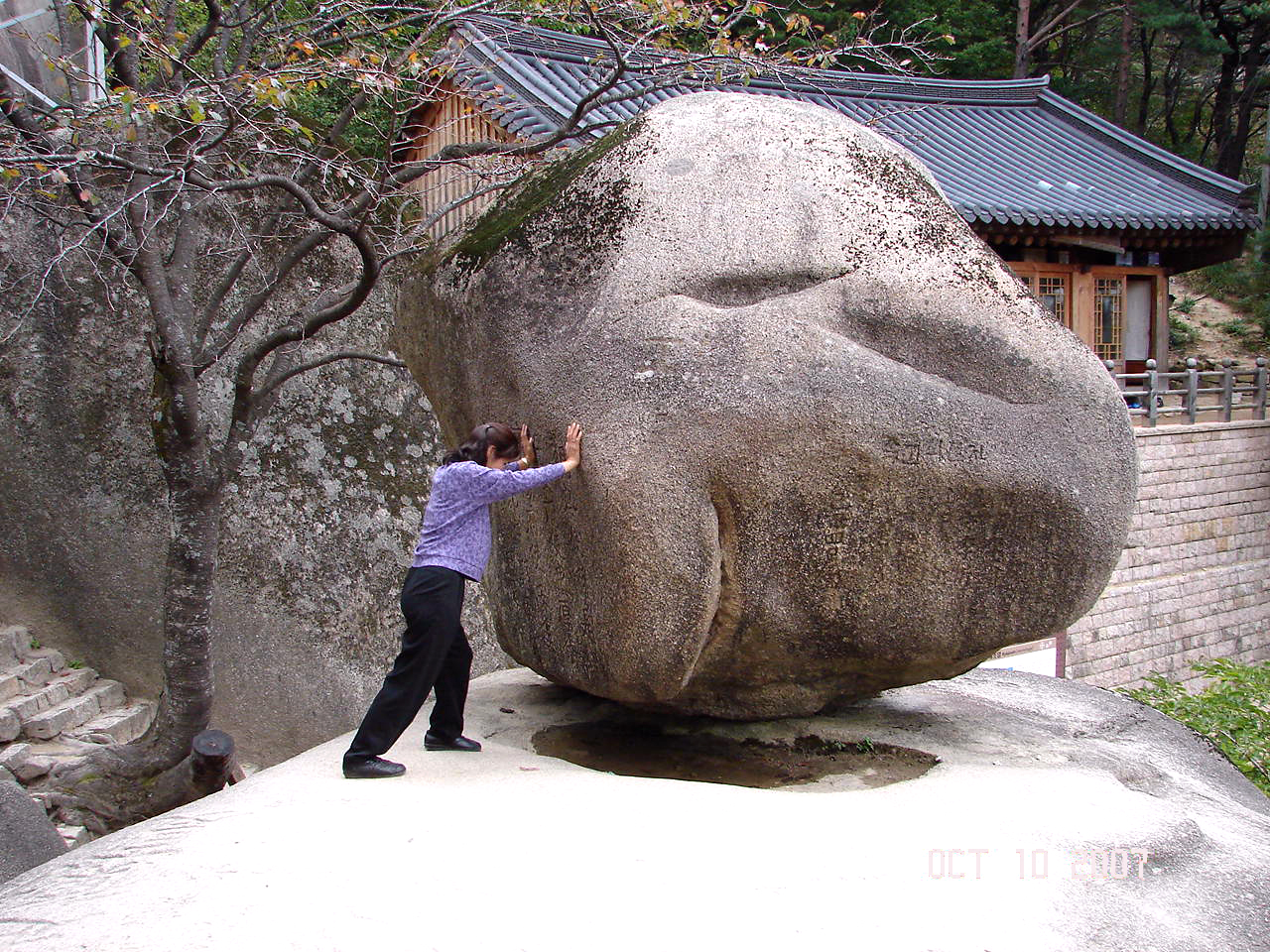
Start early. Select a trail according to current conditions rather than social-media popularity. Lower-valley walks still provide forest, temple and granite scenery; longer ridge routes demand more time, equipment and stable weather.
Reach Seoraksan close to opening time and choose the trail after checking official notices. Lower valley paths, temples and cable-car viewpoints still create a complete day when ridges are closed. Carry layers, water and a portable battery, and set a turn-around time that protects the final bus back.



Day 5: East coast buffer day
Keep a second Gangwon day for the coast, a short recovery walk or another park visit if Day 4 was lost to weather. This buffer is what makes the route resilient. The Gangwon guide provides options around Sokcho and Gangneung.
Keep this day deliberately flexible. If the previous hike went ahead, recover on the coast or walk a shorter section near Sokcho. If weather cancelled it, use the better forecast window now. Do not add Gangneung simply to collect another city unless your onward flight plan already makes the transfer useful.


Day 6 — Transfer to Jeju
Return toward the airport serving your chosen flight and treat this as a real transfer day. Do not plan a major Jeju hike after arrival. Collect a car only if you are comfortable with local driving rules, or arrange a driver and zoned itinerary.
Treat the flight to Jeju as the day’s main event. Allow for the return from Gangwon, airport check-in and possible weather delays. On arrival, collect the car or meet the driver, then make only a short coastal stop near the chosen base. Avoid beginning Hallasan tired or after dark.



Days 7–9 — Jeju by landscape
Day 7: Eastern Jeju
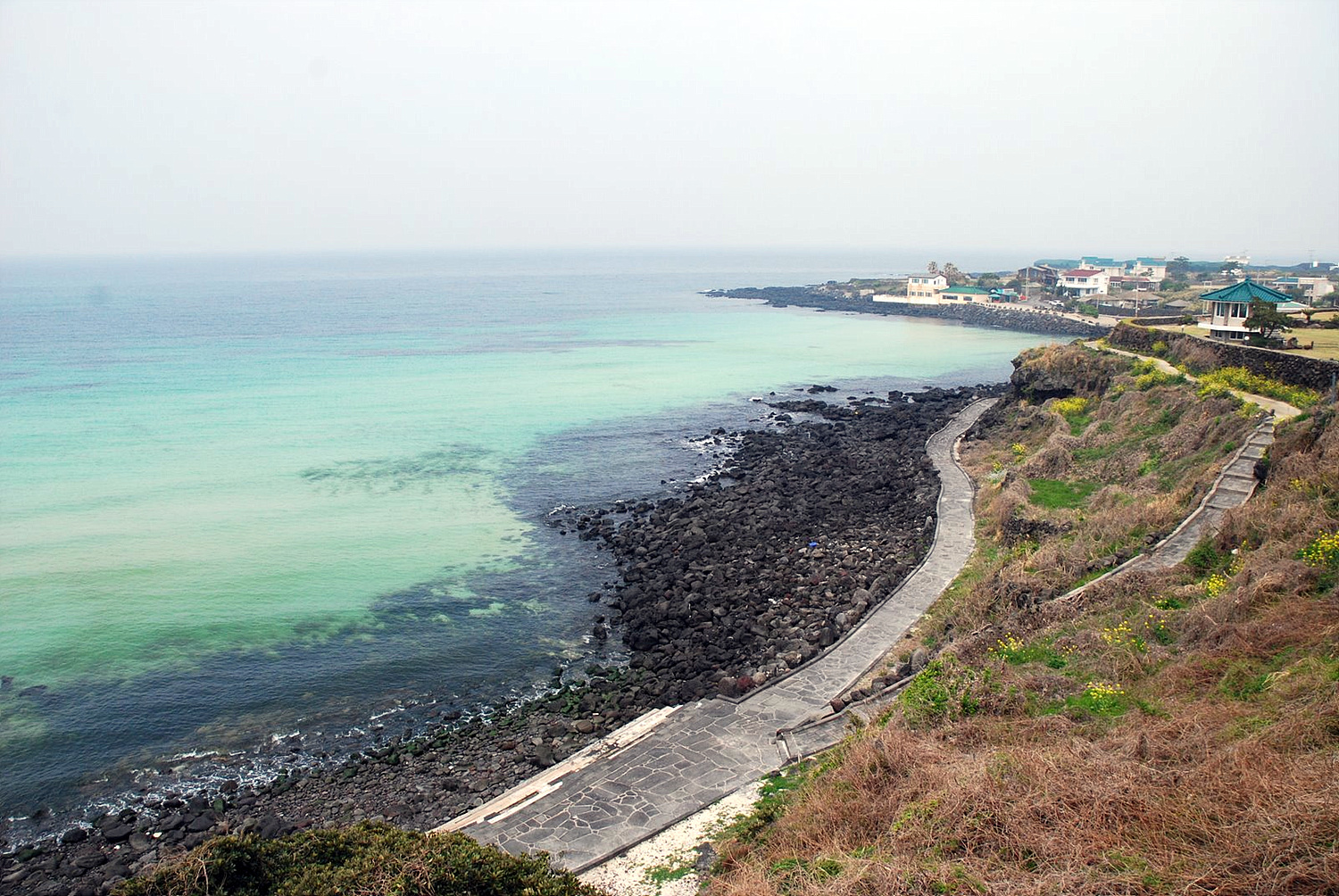
Use the east for Seongsan Ilchulbong, coastal walking and nearby villages. Check wind and ferry conditions before including Udo; never make the whole day depend on one crossing.
Start at Seongsan Ilchulbong before the day-tour peak, then follow the east coast in one direction. Add a short Olle Trail section and one village or lava landscape. Visit Udo only when wind, ferry frequency and return time are all comfortable; the island is an option, not an obligation.


Day 8: Hallasan or a weather alternative
Attempt a Hallasan route only with the required preparation, reservation where applicable and suitable conditions. Keep waterfalls, forest paths or a museum-led south-coast day as the alternative.
Reserve Hallasan when the chosen trail requires it and check the gate cut-off before departure. Carry more water and layers than a city forecast suggests. If cloud, wind or heavy rain closes the mountain, use the south coast for waterfalls, forest paths and volcanic cliffs rather than waiting at the trailhead.


.jpeg)
Day 9: Final coast and departure
Stay on the side of the island that supports your departure. Jeju travel times are longer than the map suggests, so avoid crossing the island for one last viewpoint.
Keep the final route on the airport side of the island. A short beach, oreum or coastal path is enough before departure. Fuel the car, photograph its condition and allow for rental return. Jeju roads can slow in rain and around towns, so map distance should never set the final margin.


Where to stay
- Seoul: near a direct intercity departure point if the Gangwon transfer is the priority
- Sokcho: town for food and buses, or near the park for the earliest trail start
- Jeju: choose one or two bases according to the coasts you will actually explore
Safety and weather
Check official park, trail, ferry and weather notices before setting out. Heat, rain, wind, ice and cloud can change the best plan. Carry water, layers and offline route information, and turn back when conditions are worse than expected.
Before you move
Practical setup for South Korea
The small systems that make the next transfer work: payment, transport, maps, luggage and live conditions.Local transportUse a T-money transport card
Top up one card for local buses and subways instead of buying a separate ticket for every journey.
Open official serviceIntercity busesCheck the exact terminal
Express and intercity buses use different booking systems and may leave from different terminals in the same city.
Open official serviceMaps & appsPrepare local navigation
Keep a Korea-ready map app and Korean-format addresses available before leaving the airport or station.
Open official serviceRail bookingCompare intercity trains
Use the route and date to compare the intercity seats that determine the order of the trip.
Compare trains on Trip.comTurn this route into booked travel.
Secure the decisions that control the route first. Add flexible experiences only after the dates, city order and major transfers are settled.
Choose a date to see route-specific booking priorities and suggested deadlines.
Your booking order
- Choose a start dateWe will calculate what needs attention first.
- 01Book first
Fix the dates, route direction and scarce stays before adding flexible details.
- 02Book 30 days before
Secure intercity transport and timed highlights as their sales windows open.
- 03Book 72 hours before
Reconfirm transport, weather, addresses and the first arrival transfer.
- 04Arrange on arrival
Activate local payment and transport tools, then keep flexible choices local.
Flights
Protect the international arrival and departure before fixing the rest.
Choose dates for timing
Compare on Trip.comHotels
Book the right neighbourhoods and scarce one-night stays around the route.
Choose dates for timing
Find stays in SeoulTransport
Intercity tickets and difficult transfers arranged around the route.
Choose dates for timing
Request helpExperiences
Timed highlights and local experiences worth protecting in advance.
Choose dates for timing
Explore on Trip.comPrivate planning
Dates, pace, bookings and contingencies shaped into one workable trip.
Best before major bookings
Talk to a planner